In This Article
What 'Realism' Means in Tattooing
In illustration, artistic license is built into the craft — stylization is the point. Realism tattooing works the opposite way: the finished piece is judged against a photograph, and every deviation from that photograph reads as a flaw rather than a choice. That single constraint is what separates realism from every other style on our menu.
A successful realism tattoo doesn't just resemble its subject from across the room — it holds up under close inspection. Skin texture, the direction light falls across a face, the individual strands catching in a wolf's fur, the reflective highlight on a drop of water: these are the details that convince a viewer they're looking at a photograph rendered in skin rather than a tattoo. Getting there takes a level of technical control that few other tattoo styles demand, which is exactly why we're dedicating a full guide to it.
That's not a knock against illustrative styles — traditional, tribal, and neo-traditional tattoos have their own hard-won technical traditions — but realism specifically borrows its standard of success from photography rather than from tattoo tradition itself, which changes almost everything about how it's planned, shaded, and evaluated once healed.
Black & Grey vs. Full-Color Realism
Why Realism Is So Technically Demanding
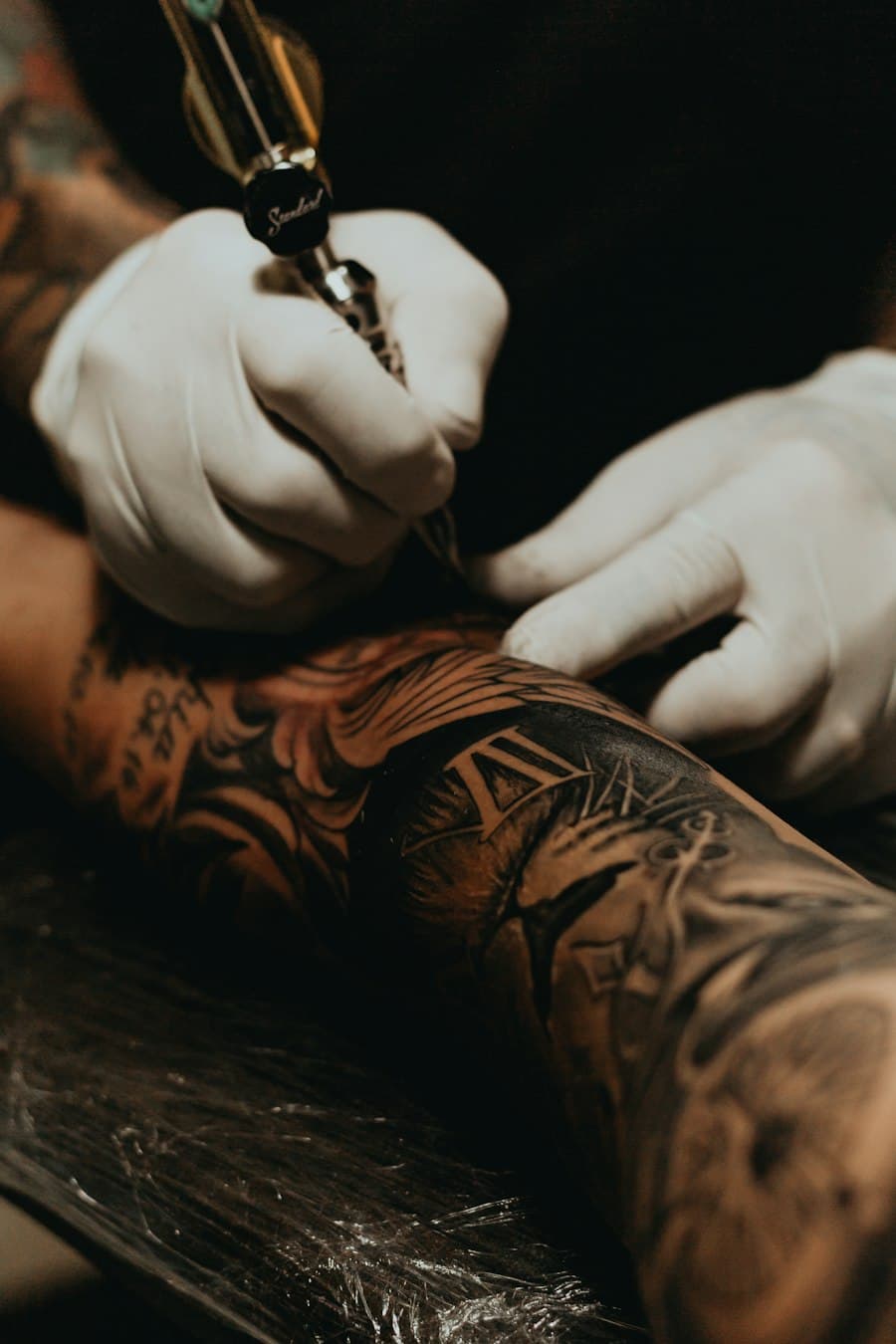
Every tattoo style requires skill, but realism is unique in how unforgiving it is of small errors. A traditional flash piece can absorb a slightly uneven line without losing its identity — the bold outline holds the design together regardless. Realism has no outline to hide behind. The entire image is built from shading: thousands of individual dot and line passes layered to create smooth gradients that fool the eye into seeing continuous tone rather than individual needle marks.
This means a realism artist has to control needle depth, speed, and ink saturation with total consistency across a piece that might take six or more hours to complete, all while the client's skin swells, reddens, and reacts to the ongoing trauma of tattooing. A gradient that looks perfect an hour into a session can look uneven once the swelling goes down days later — which is why experienced realism artists build in deliberate contrast and depth rather than relying on subtlety alone, anticipating how the skin will settle.
That's also why realism sessions tend to run longer than other styles of comparable size — the artist is essentially building a photograph one pass at a time, and there's no shortcut around the layering it takes to get skin tone and shadow right.
Popular Realism Subjects
Placement & Sizing: Why Realism Needs Room to Breathe
Detail is realism's entire currency, and detail needs physical space to read clearly. A photorealistic eye that looks stunning at six inches across can collapse into a smudged mess at two inches, because the fine gradients that create depth simply don't have room to exist at a smaller scale.
This is why we steer most realism clients toward larger placements — the forearm, upper arm, thigh, calf, or back — rather than compact areas like the wrist or ankle. A general rule we use in consultations: if a design has more than two or three distinct focal points (an eye, a nose, a mouth, for example, in a portrait), it needs at least a forearm-sized canvas to hold all of them clearly.
Larger realism pieces also heal more predictably than tightly packed small ones, since there's enough surface area for the skin to accept the ink evenly without the design fighting for space. If budget or pain tolerance means starting smaller, we'll often recommend a simplified version of the concept — fewer focal points, tighter cropping — rather than shrinking a complex design and losing what made it work in the first place.
Choosing the Right Artist for Realism
Realism is one of the styles where portfolio research matters most, because the gap between a skilled realism artist and an inexperienced one is immediately visible in the final result — there's no bold outline or stylization to disguise weak shading control.
When reviewing portfolios, look specifically for consistency across multiple pieces rather than judging by a single standout photo. Skilled realism artists produce smooth, even gradients across different skin tones and body areas, not just their one best-lit portfolio shot.
Ask For Healed Photos
Any realism artist worth booking should have healed photos in their portfolio, not just fresh ink. Healed work shows you exactly what the tattoo will actually look like in a few months — which is the only honest preview of your future tattoo.
Aftercare Considerations for Heavy Shading
Heavily shaded realism pieces heal differently than simple linework, mainly because so much more of the skin's surface has been worked during the session. Expect more pronounced redness and swelling immediately after a large black & grey or color realism piece compared to a thin-line design of the same size.
Follow the same core aftercare principles covered in our full aftercare guide — gentle washing, fragrance-free moisturizing, no soaking — but expect the healing timeline to run slightly longer for dense shaded areas, often 3 to 4 weeks rather than the standard 2 to 3. Resist the urge to over-moisturize dense black & grey areas in the first few days, since oversaturating fresh, heavily worked skin can actually slow scabbing and peeling rather than help it.
Key Takeaways
- Black & grey realism tends to age more predictably than full-color realism
- Realism has no bold outline to fall back on — every detail depends on shading control
- Larger placements (forearm, thigh, back) hold realistic detail far better than small ones
- Always review healed photos, not just fresh ink, before booking a realism artist
- Heavily shaded realism pieces often need 3-4 weeks to heal fully
Frequently Asked Questions
How much does a realism tattoo typically cost?
Realism pricing reflects the extra time and skill it demands. Small single-focal-point pieces might start around $300-$500, while large multi-session portraits, wildlife scenes, or full sleeves in black & grey or color realism typically range from $1,500 to $4,000+, depending on size, detail level, and number of sessions required.
Do realism tattoos fade faster than other styles?
Full-color realism can fade slightly faster than bold traditional work, since the lighter, more diluted shading tones fade before solid black lines would. Black & grey realism tends to hold up longer, and either style benefits significantly from consistent sun protection, since UV exposure is the single biggest factor in premature fading for detailed shaded work.
How many sessions does a realism tattoo usually take?
It depends heavily on size and detail. A small portrait might be completed in a single 3-4 hour sitting, while a large back piece or full sleeve with multiple focal points can take anywhere from 3 to 8 sessions spaced several weeks apart to allow proper healing between sittings.


